
The Home Sauna Guide: Choose, Plan, Build and Use Your Own Sauna
You have the space in mind. Maybe it is a corner of the garage, a patch of backyard, or a bathroom that could take a small cabin. You have looked at a few options, watched a couple of YouTube builds, and now you are trying to figure out the whole picture before you spend real money.
This page is the map. It walks through the six stages of owning a home sauna: choosing a type, planning the space, building or buying, installing, using, and maintaining. Each stage has its own deep-dive article on this site. Here you get the overview, the numbers that matter, and the honest trade-offs so you can decide where to go next.
What you need to know before you start
- Traditional Finnish saunas heat the air to 170 to 210°F (77 to 99°C) with a wood or electric heater; infrared panels warm your body directly at lower air temperatures.
- A typical home sauna room is 4×6 to 6×8 feet, holding two to four people. Size it by cubic feet, not floor area, because heater capacity depends on volume.
- A 240V dedicated circuit is standard for electric heaters in the US. A licensed electrician handles this; you do not wire it yourself.
- Total project cost ranges from roughly $3,000 for a small prefabricated cabin to $15,000 or more for a custom-built room with a glass door and premium wood.
- Running cost for a typical 6 kW heater used three times a week is around $10 to $20 per month at average US electricity rates.
- Permits are required in most US jurisdictions for a permanent structure or a new electrical circuit. Check with your local building department before you start.
The journey
The six stages of owning a home sauna
Choose your type
Decide between a traditional Finnish sauna (electric or wood-fired heater, hot air, steam from water on rocks) and an infrared cabin (panels radiate heat at lower air temperature). This single choice drives everything else: room size, heater power, wiring, cost, and what the session feels like. If you want löyly (the burst of steam you throw on hot rocks), you need a traditional sauna. Infrared cannot produce it.
Plan the space
Measure your room or outdoor pad in feet and inches, then calculate cubic feet. A heater is rated by the volume it can heat, so a 6 kW unit handles roughly 300 to 500 cubic feet depending on insulation. Check ceiling height (7 to 8 feet is typical), clearance to combustibles (the gap your heater manual requires between the unit and wood or drywall), and whether you need a vapor barrier on the warm side of the wall.
Build or buy
A prefabricated kit or barrel sauna arrives in panels and goes up in a weekend. A custom build means framing, insulating, vapor-barrier installation, and cedar or aspen paneling, usually over two to four weekends. A wood-fired sauna needs a chimney, a safe distance from your house, and often a separate permit.
Install and wire
An electrician runs a dedicated 240V circuit from your panel to the sauna. The heater is mounted, the controls are set, and the room is tested for proper heat-up time. For wood-fired units, the chimney is installed and inspected. This is the stage where you hire a licensed pro.
Use your sauna
Learn the temperature range that feels right (most people sit at 170 to 190°F / 77 to 88°C in a traditional sauna), how long to stay in (10 to 20 minutes per round), and how to throw water on the rocks for löyly. New owners often overheat the room on the first try. Start lower.
Maintain and upkeep
Air the room out after every session. Wipe benches weekly. Check the heater stones annually and replace them when they crack or crumble. Cedar and aspen paneling lasts years with basic care. A wood-fired sauna needs its chimney cleaned once a season.
Traditional, infrared, and wood-fired: what each one gives you
The three main types of home sauna differ in how they heat you, what they cost, and what kind of session they produce. A traditional Finnish sauna heats the air with a stove (electric or wood-fired) and lets you throw water on hot rocks to create steam. The air gets hot, your skin gets hot, and the steam (löyly) makes the heat feel more intense without raising the temperature further. This is the experience most people remember from a gym sauna or a trip to Finland.
An infrared cabin uses panels that radiate heat directly onto your body. The air stays cooler, typically 120 to 150°F (49 to 66°C), and you feel warm from the panels rather than from hot air. It heats up faster, uses less electricity, and fits in smaller spaces. But it will not give you steam, and many people find the session less satisfying than a traditional sauna. If you have tried a traditional sauna and loved it, infrared is a compromise.
A wood-fired sauna is a traditional sauna heated by a wood stove with a chimney. It produces the most authentic löyly and a distinctive smell, but it requires outdoor placement, a chimney, a wood supply, and a longer heat-up time (45 to 90 minutes). It suits people with a backyard, a rural property, or a strong preference for the ritual of building a fire before the session.
| Type | Heat source | Typical air temperature | Session feel | Heat-up time | Best for |
|---|---|---|---|---|---|
| Traditional electric | Electric heater (4.5 to 9 kW) | 170 to 210°F (77 to 99°C) | Hot air, steam from water on rocks | 30 to 60 minutes | Most US homeowners; the standard choice |
| Traditional wood-fired | Wood stove with chimney | 170 to 220°F (77 to 104°C) | Hot air, strong löyly, wood smoke aroma | 45 to 90 minutes | Backyard or rural properties; ritual seekers |
| Infrared | Carbon or ceramic panels | 120 to 150°F (49 to 66°C) | Direct radiant warmth, no steam | 15 to 30 minutes | Small spaces, lower budgets, quick sessions |
| Barrel (prefab) | Electric or wood-fired heater | Same as traditional | Same as traditional, round shape | 30 to 60 minutes | Backyard placement, quick setup, no framing |
Sizing: how big should your sauna be?
Sauna sizing is about volume, not floor area. A heater is rated by the cubic feet it can heat, and that number changes with insulation quality and ceiling height. A 6 kW electric heater, for example, is commonly rated for 300 to 500 cubic feet in a well-insulated room. If your room is 6 feet wide, 8 feet long, and 7 feet tall, that is 336 cubic feet, and a 6 kW heater is a reasonable fit.
The most common home sauna dimensions in the US are 4×6 feet (two people), 5×7 feet (three people), and 6×8 feet (four people). A barrel sauna is usually 6 to 8 feet in diameter and 7 feet tall. Keep the ceiling low, 7 feet is plenty, because heat rises and a tall room wastes energy.
If you are building custom, plan bench heights: the upper bench sits 36 to 42 inches above the floor, the lower bench 18 to 24 inches. You need at least 36 inches of headroom above the upper bench. A glass door adds visual openness but increases heat loss, so you may need a slightly larger heater than the room volume alone suggests.
| Room size (feet) | Cubic feet (at 7 ft ceiling) | People | Typical heater size |
|---|---|---|---|
| 4 x 6 | 168 | 1 to 2 | 4.5 to 6 kW |
| 5 x 7 | 245 | 2 to 3 | 6 kW |
| 6 x 8 | 336 | 3 to 4 | 6 to 8 kW |
| 6 x 10 | 420 | 4 to 5 | 8 to 9 kW |
| Barrel 6 ft dia. | ~198 | 2 to 3 | 5 to 6 kW |
| Barrel 8 ft dia. | ~352 | 3 to 4 | 6 to 8 kW |
What it costs: a realistic range
Costs vary widely depending on whether you buy a prefab cabin, a barrel kit, or build custom. These are the ranges you will commonly encounter in the US market for a complete, usable sauna (not including the electrical circuit, which is a separate line item).
A small infrared cabin runs $1,500 to $4,000. A prefabricated traditional sauna kit (panels, heater, benches, door) runs $3,000 to $8,000 depending on size and wood. A barrel sauna (delivered, assembled on site) runs $4,000 to $10,000. A custom-built traditional sauna with cedar paneling, a glass door, and a quality heater runs $8,000 to $20,000 or more. A wood-fired sauna with a chimney and outdoor pad adds $2,000 to $5,000 on top of the room itself.
The electrical circuit is separate. A licensed electrician typically charges $300 to $800 to run a dedicated 240V circuit from your panel to the sauna, depending on distance and local rates. Permits add $50 to $300 in most jurisdictions.
Running cost: what it takes to heat the room
A 6 kW heater running for one hour uses 6 kWh. At the US average residential rate of about 16 cents per kWh, that is roughly $1 per session. Most people heat the room for 30 to 45 minutes, then sit for 20 to 30 minutes with the heater cycling on and off. A realistic figure for a three-times-a-week habit is $10 to $20 per month.
Infrared cabins use less power, typically 1.5 to 3 kW, so running cost is lower, around $5 to $10 per month at the same frequency. Wood-fired saunas cost the price of firewood, which varies by region but often runs $5 to $15 per session.
Estimate your monthly running cost
Plug in your heater size, session frequency, and local electricity rate to see what your sauna will cost to run each month.
Estimated monthly cost USD
Wiring, permits, and what a pro handles
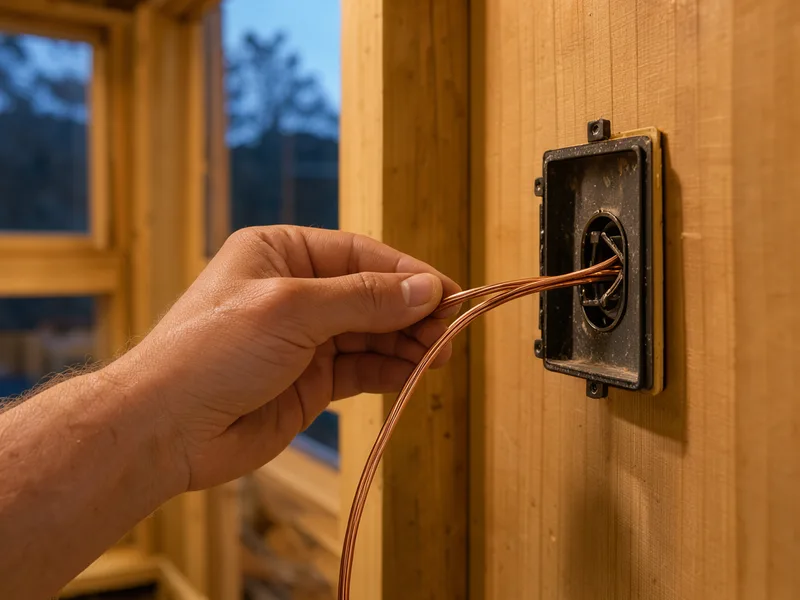
Every electric home sauna in the US needs a dedicated 240V circuit. The heater manual specifies the amperage (a 6 kW heater typically draws 25 to 30 amps, a 9 kW heater draws 37 to 45 amps). Your electrician sizes the wire and breaker to match. You do not run this wire yourself.
Permits depend on your municipality. A new electrical circuit almost always requires a permit and inspection. A permanent outdoor structure (a shed, a barrel on a pad, a built room) may require a building permit and must meet setback rules. A wood-fired sauna adds chimney and fire-code requirements. Call your local building department before you buy materials.
What to decide first
If you are early in the process, the first decision is type: traditional or infrared. That answer changes your room size, your heater, your wiring, and your budget. The second decision is build method: prefab kit, barrel, or custom. The third is placement: indoors (basement, bathroom, garage) or outdoors (backyard, shed).
Work through those three questions and the rest of the project falls into place. Each stage on this site has its own article with the details you need when you get there.
Common questions before you start
Can I put a sauna in my basement?
Yes, but ventilation is the first thing to check. A basement sauna needs fresh air intake and exhaust, and the ceiling must be high enough (at least 7 feet) with a vapor barrier installed correctly. If your basement has a concrete floor and no existing ventilation, budget for that work before the sauna itself.
Do I need a permit for a home sauna?
In most US jurisdictions, yes. A new 240V electrical circuit requires an electrical permit and inspection. A permanent structure outdoors may need a building permit. A prefabricated indoor cabin that plugs into an existing circuit may not, but check with your local building department.
How much does a home sauna cost in total?
A small infrared cabin starts around $1,500. A prefabricated traditional sauna kit runs $3,000 to $8,000. A custom-built room with quality materials runs $8,000 to $20,000. Add $300 to $800 for the electrical circuit and $50 to $300 for permits.
Is infrared as good as a traditional sauna?
It depends on what you want from the session. Infrared heats your body directly at lower air temperatures, uses less power, and fits smaller spaces. But it cannot produce steam or löyly. If you have enjoyed a traditional sauna and want that experience at home, infrared will feel like a compromise.
How big should my sauna be?
For two people, a 4×6 or 5×7 foot room is typical. For three to four, go 6×8. Size the heater by cubic feet, not floor area. A 6 kW heater handles roughly 300 to 500 cubic feet in a well-insulated room.
Can I build a sauna myself?
Yes, and many DIY builders do. Framing, insulating, installing a vapor barrier, and attaching cedar or aspen panels are straightforward carpentry. The electrical work (240V circuit, heater connection) should be done by a licensed electrician in most US states.
Not sure where to start?
Tell us your space, your budget, and what you want from the session. We will point you to the right guide for your situation.