Sauna vs Steam Room: Which One Belongs in Your Home?
You have used a steam room at the gym and loved it. The air is thick, the heat wraps around you, and you walk out dripping. Now you are thinking about putting one in your basement or bathroom, and you start searching for "sauna vs steam room" to figure out which one makes sense for a house.
Here is the short answer: for a home, a sauna is almost always the better fit. It runs hotter and drier, needs no plumbing, no steam generator, and no waterproofing beyond what a well-built sauna room already provides. A steam room is a wet environment that demands a dedicated generator, a sloped floor with a drain, and serious moisture management. That is a different kind of construction project, and most homeowners who set out to build one end up switching to a sauna halfway through.
This article walks you through the real differences so you can decide with clear eyes, not just a fond memory of a gym steam room.
Key takeaways
- A home sauna is simpler to build: one heater, one circuit, no plumbing, no drain.
- A steam room needs a steam generator, waterproofing, a sloped floor with a drain, and a ventilation system that handles near-100% humidity.
- Saunas run 150 to 200°F (65 to 93°C) at low humidity; steam rooms run 110 to 120°F (43 to 49°C) at near-100% humidity.
- Moisture risk is the biggest practical difference: a steam room can cause mold and structural damage if not built to a wet-room standard.
- If you want the steam experience at home, a traditional sauna with a heater that lets you throw water on the rocks gets you close without the plumbing.
The short answer for a home
If you are choosing between a sauna and a steam room for your house, pick the sauna. Not because a steam room is a bad experience, but because the construction demands are so much higher that most residential projects either stall or end up with moisture problems.
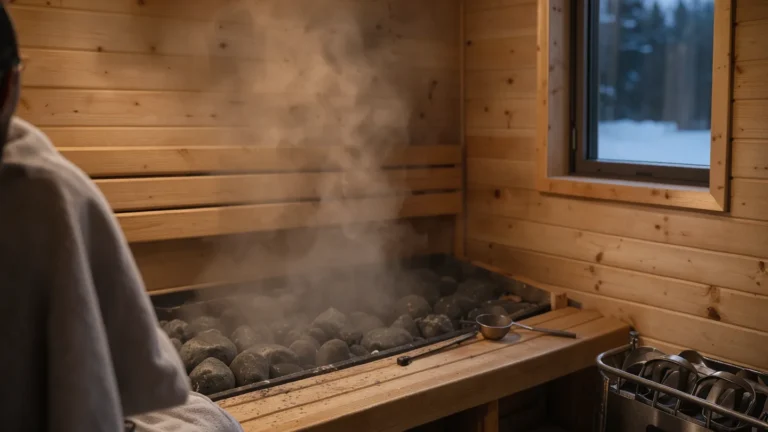
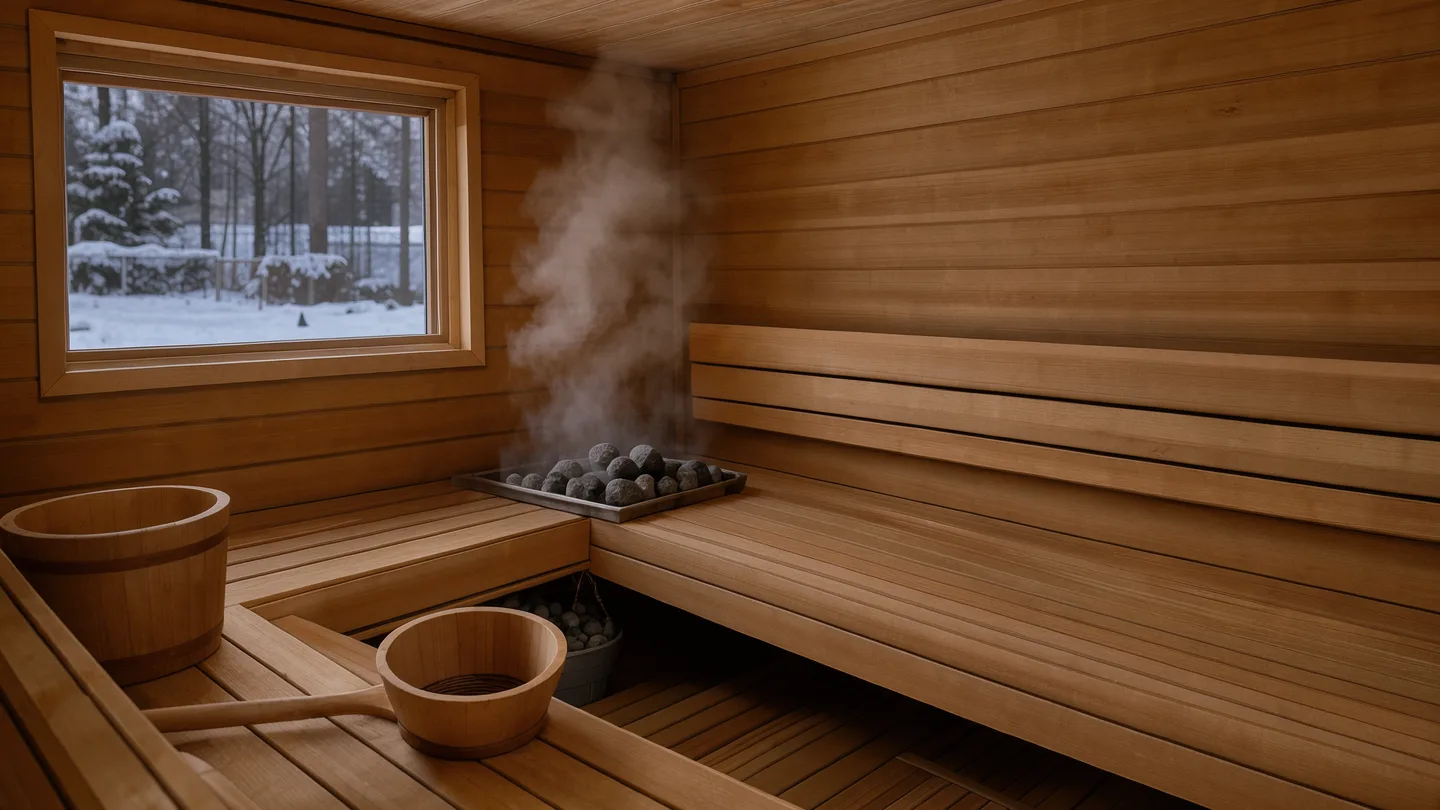
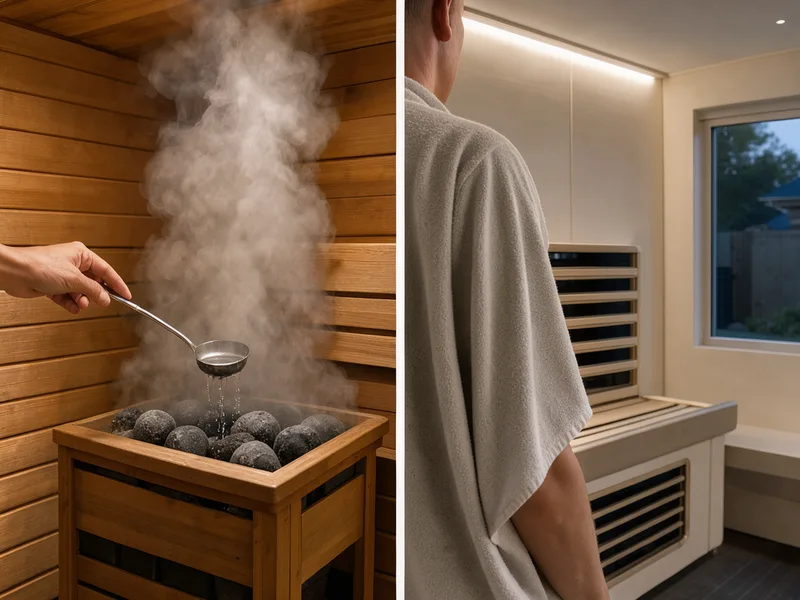
A sauna is a dry heat environment. You build a small room, insulate it, line it with wood, install a heater on a 240V circuit, and you are done. The room handles a little humidity when you throw water on the heater rocks (that burst of steam is called löyly), but the walls and ceiling are designed to dry out between sessions.
A steam room is a wet environment. The air is saturated with water vapor for the entire session, and condensation forms on every surface. That means the room must be built like a shower: waterproof membrane under the finish, a floor that slopes to a drain, a steam generator with its own water supply and electrical connection, and a ventilation system that can exhaust the moisture without letting it migrate into your framing.
| Feature | Traditional sauna | Steam room |
|---|---|---|
| Heat source | Electric or wood-fired heater | Steam generator (boiler) |
| Temperature range | 150 to 200°F (65 to 93°C) | 110 to 120°F (43 to 49°C) |
| Humidity | 10 to 20% (rises briefly with löyly) | Near 100% throughout the session |
| Moisture risk to structure | Low: room dries between sessions | High: constant condensation on all surfaces |
| Plumbing needed | None (optional water bucket) | Water supply line, drain, sloped floor |
| Electrical | One 240V circuit for the heater | 240V circuit for generator plus controls |
| Typical build complexity | Moderate: framing, insulation, paneling, one circuit | High: waterproofing, drainage, generator, ventilation |
| Cost to build at home | Lower: kit or custom build, no plumbing | Higher: generator, waterproofing, drain, ventilation |
Why a steam room is harder to build at home
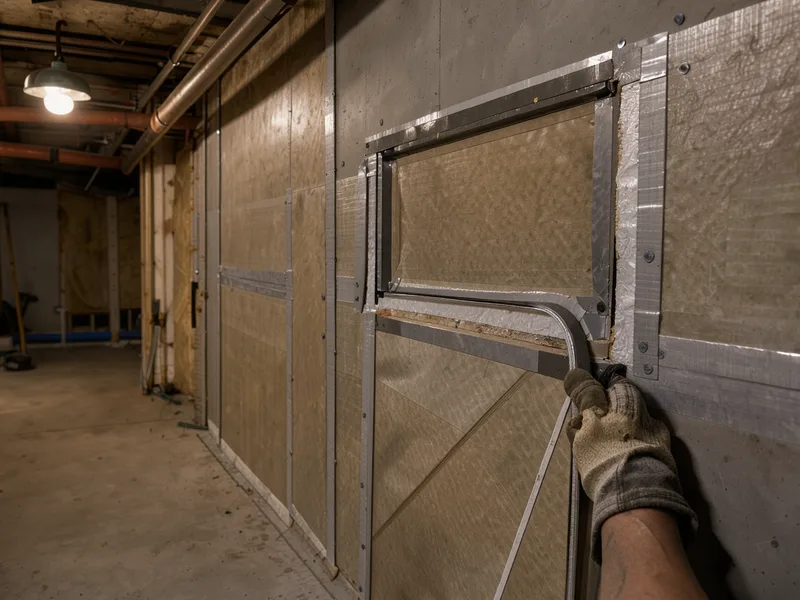
The core problem is water. A steam room produces a cloud of water vapor that condenses on every surface it touches: walls, ceiling, floor, door frame. If your room is not built to handle that, the moisture soaks into the framing, the insulation, and the drywall above. Within a season or two you have mold behind the tile and a musty smell that no amount of cleaning fixes.
To build a steam room properly, you need:
A waterproof membrane (often a liquid-applied or sheet membrane) under the finish material on all six surfaces. A floor that slopes toward a drain, like a shower pan. A steam generator, usually mounted outside the room, with a water supply line and a dedicated 240V circuit. A ventilation system that exhausts the humid air and brings in dry air, sized to the room volume. And a door that seals well enough to keep the steam in but does not trap moisture in the frame.
That is a lot of systems for a small room, and each one is a place where a mistake leads to expensive water damage. A licensed plumber and a contractor experienced with wet rooms are not optional here.
Who should pick which
Pick a sauna if you want a home heat experience that is straightforward to build, easy to maintain, and gives you the option of dry heat or a burst of steam when you throw water on the rocks. A traditional Finnish-style sauna with a good heater gets you 80% of what people love about a steam room, and you can build it in a basement corner, a garage, a shed, or a large bathroom without touching plumbing.
Pick a steam room only if you have a specific reason to want that exact wet-heat experience at home, you are willing to hire a plumber and a contractor who has built wet rooms before, and your space can accommodate a drain and a generator. If you are a DIY builder who frames and panels rooms yourself, a steam room is not the project to learn on. The margin for error with moisture is too small.
If you are drawn to the steam room because you like the feeling of humid heat on your skin, try a traditional sauna with the heater set to 170°F (77°C) and throw a ladle of water on the rocks. The löyly (that quick burst of steam from water hitting hot stones) raises the humidity for a minute or two and gives you a similar sensation without the permanent wet environment.
What about infrared?
Infrared saunas are sometimes confused with steam rooms because both run at lower temperatures than a traditional sauna. But an infrared cabin is a dry heat environment. It uses panels that radiate infrared energy into your body directly, and the air stays dry. It is not a steam room, and it will not give you the wet-heat feeling that draws people to steam rooms. If you want humidity, you need either a traditional sauna with löyly or a true steam room.
Frequently asked questions
Can I convert a bathroom into a steam room?
You can, but it is a major renovation. The bathroom must be rebuilt as a wet room: waterproof membrane on all surfaces, a sloped floor with a drain, a steam generator with a water line, and a ventilation system sized for the room. If your bathroom already has a shower with a drain, you are partway there, but the steam generator and the sealed enclosure are still significant additions.
Can a traditional sauna give me the same feeling as a steam room?
Not exactly, but close enough that most people are satisfied. A traditional sauna at 170 to 190°F (77 to 88°C) with water thrown on the heater rocks produces a burst of steam that raises humidity briefly. The sensation is similar to a steam room for a minute or two, then the air dries out again. A steam room keeps the humidity high for the entire session.
Is a steam room more expensive to run than a sauna?
A steam generator uses electricity to boil water, and it runs for the duration of the session. A sauna heater also uses electricity (or wood), but it heats air and stones rather than boiling water continuously. In practice, a steam room session uses more energy per hour because the generator keeps producing steam. The exact difference depends on your utility rate and the size of the room.
Do I need a permit for a home sauna or steam room?
In most US jurisdictions, a sauna that requires a new 240V circuit needs an electrical permit. A steam room that adds plumbing (water supply and drain) needs a plumbing permit as well. Check with your local building department before you start. A licensed electrician or plumber will pull the permits as part of their work.
Can I put a steam room in a basement?
You can, but the moisture risk is higher in a basement because the surrounding soil and concrete already hold moisture. A steam room in a basement needs excellent waterproofing on the room itself and good ventilation to exhaust the humid air outside rather than into the basement. Many builders advise against it unless the basement is already dry and well-ventilated.