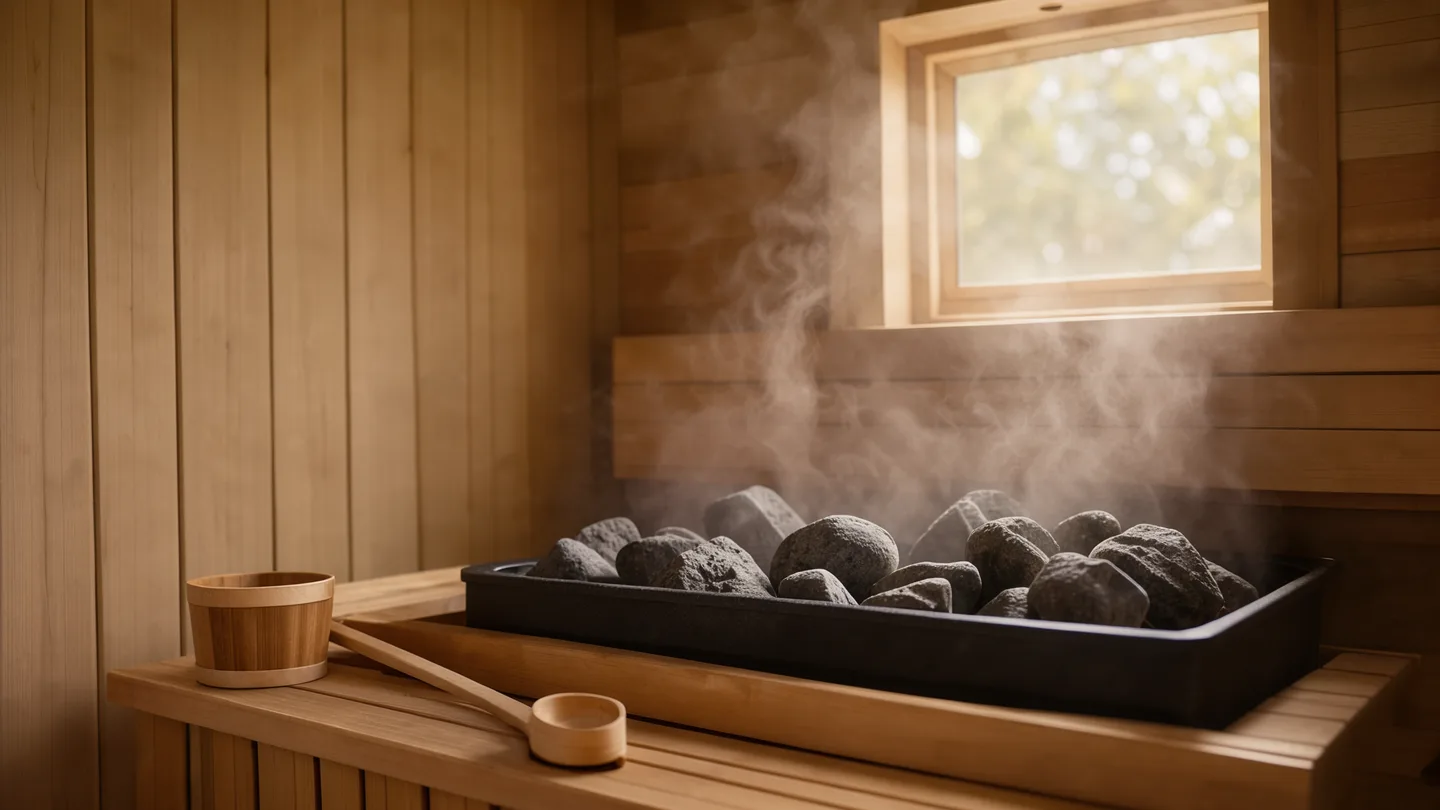
What Is a Dry Sauna?
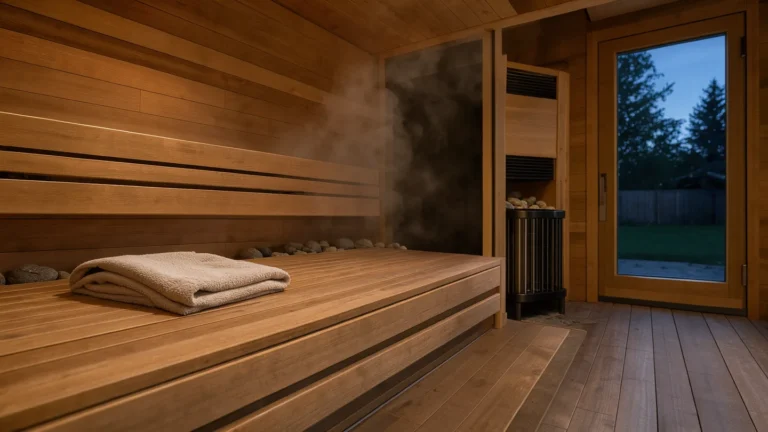
You walk into a friend's backyard sauna and the air hits you like an open oven door. No mist, no wet heat on your skin, just a wall of hot air that makes your eyes water a little and your skin flush within two minutes. That is a dry sauna. The term sounds like a product category, but it really describes a condition: hot air, low humidity, and a heater that can push the room past 170°F without a water basin dripping on the rocks.
If you are shopping for a home sauna and see "dry sauna" on a spec sheet, it is not a special type of construction. It is a traditional Finnish-style sauna run at low relative humidity, usually between 150 and 195°F (65 to 90°C). The word "dry" is doing one job: separating this experience from a steam room, where the air is saturated and the temperature stays much lower.
Key takeaways
- A dry sauna is a traditional sauna operated at low humidity, typically 150 to 195°F (65 to 90°C).
- The term describes a condition, not a construction type. Any traditional sauna can run dry.
- Löyly, the burst of steam from pouring water on hot rocks, briefly raises humidity but does not turn a dry sauna into a steam room.
- Electric and wood-fired heaters both produce dry heat; the fuel source does not change the humidity level.
- A steam room and a dry sauna differ in temperature, humidity, and the equipment needed to build them.
The term describes a condition, not a product
When a manufacturer labels a cabin "dry sauna," they are telling you it is built for high-temperature operation with a heater that heats rocks, not a steam generator. The walls, benches and ceiling are the same as in any traditional sauna. The difference is how you run it.
In practice, a dry sauna means the relative humidity inside the room stays low, often under 20 percent, while the air temperature sits between 150 and 195°F (65 to 90°C). Your body responds by sweating heavily because the hot air pulls moisture off your skin. The heat feels sharp and direct. You can breathe comfortably because the air is not saturated, but you feel the temperature on every exposed surface.
This is the default way most Finns run a home sauna. You heat the room, sit, and the air stays dry until you decide otherwise.
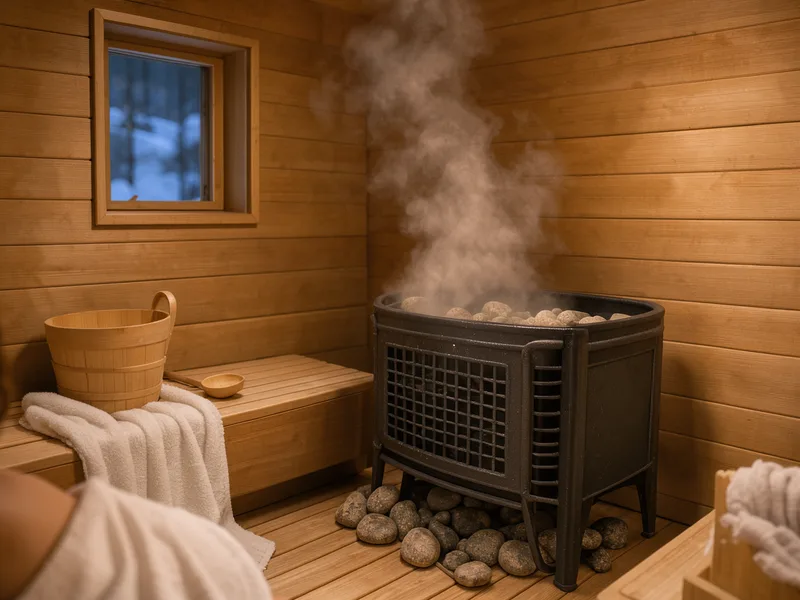
How a dry sauna differs from a steam room
The confusion between the two is understandable because both involve heat and both make you sweat. But the physics are different enough that the rooms are built differently, use different equipment, and feel different on your skin.
A steam room runs at 110 to 120°F (43 to 49°C) with relative humidity near 100 percent. The air is saturated with water vapor, so your sweat cannot evaporate. That is why the heat feels heavy and close, and why you cannot tolerate a much higher temperature. A dry sauna runs at 150 to 195°F (65 to 90°C) with low humidity, so your sweat evaporates freely and you can tolerate the higher temperature.
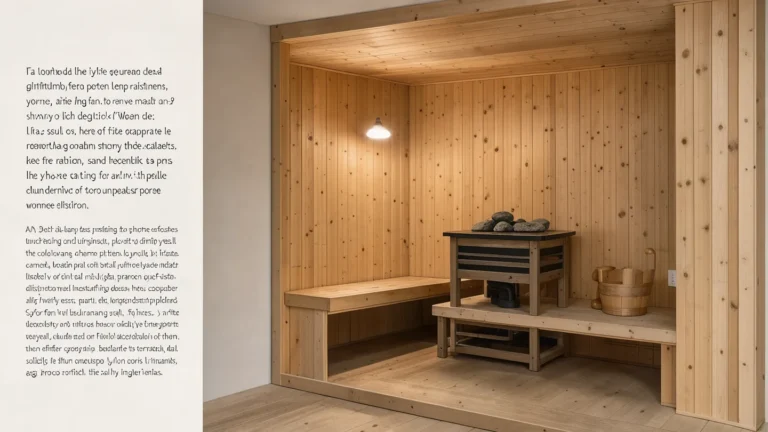
The equipment differs too. A steam room needs a steam generator that boils water and pipes the vapor into the room. A dry sauna needs a heater with a rock pile that stores thermal mass. The construction details change as well: a steam room needs a fully sealed, waterproof envelope with a sloped ceiling so condensation runs off. A dry sauna needs a vapor barrier behind the paneling to protect the wall cavity, but the room itself is not sealed against moisture the way a steam room is.
| Feature | Dry sauna | Steam room |
|---|---|---|
| Typical air temperature | 150 to 195°F (65 to 90°C) | 110 to 120°F (43 to 49°C) |
| Relative humidity | Low, often under 20% | Near 100% |
| Heat source | Electric or wood-fired heater with rocks | Steam generator |
| Sweat evaporation | Free, you feel the heat sharply | Blocked, heat feels heavy and close |
| Room envelope | Vapor barrier behind paneling, not fully sealed | Fully waterproof, sealed, sloped ceiling |
| Typical session length | 15 to 20 minutes per round | 10 to 15 minutes |
| Common in US homes | Yes, the standard choice | Rare, mostly commercial |
Löyly: adding steam to a dry sauna
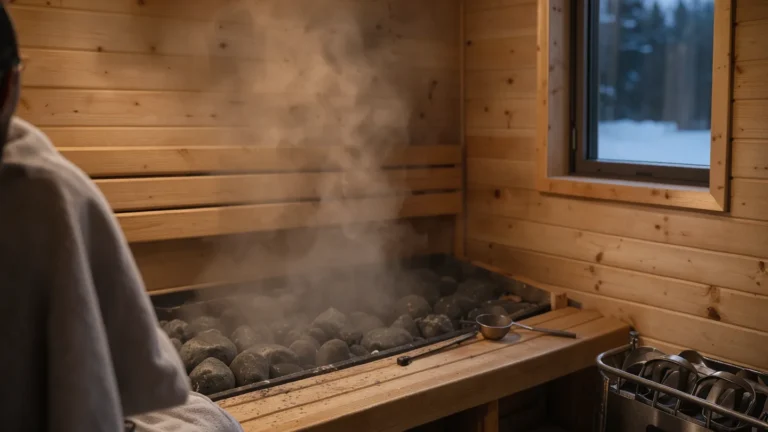
Here is where the term "dry" gets a little slippery. In a traditional Finnish sauna, you pour a ladle of water over the hot rocks and a burst of steam fills the room. That burst is called löyly, and it is the whole point of the ritual for many people. The humidity spikes for a minute or two, then drops back down as the heater keeps pushing hot air through the room.
Adding löyly does not turn your dry sauna into a steam room. The humidity spike is brief and localized near the heater. The room returns to dry conditions within a few minutes. You are still in a 170°F environment with low average humidity, just with a momentary wave of moisture on your skin.
If you want sustained high humidity, you need a steam generator and a sealed room. A traditional sauna heater with rocks cannot sustain 100 percent humidity because the ventilation and the heater's convection keep cycling dry air through the space. This is one of the most common misunderstandings in the US market: people buy a traditional sauna expecting a steam room experience, then find the air too dry for what they had in mind.
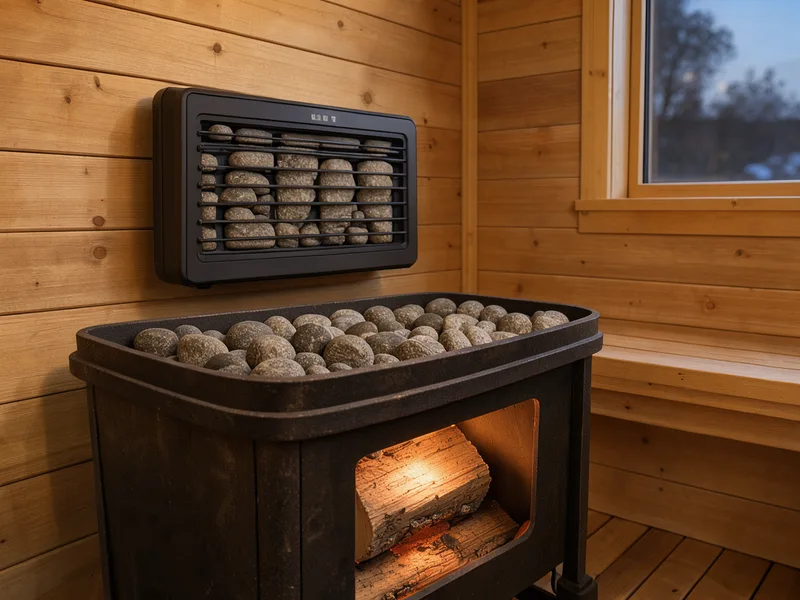
Electric and wood-fired: both produce dry heat
The fuel source does not change whether a sauna is dry. An electric heater with a rock pile and a wood-fired stove with a rock pile both heat the air and the rocks. In both cases, the room runs dry unless you add water to the rocks.
Electric heaters are the default for US home saunas because they are easier to install, require no chimney, and can be controlled with a thermostat. A wood-fired sauna takes longer to heat, needs a chimney or flue, and requires a place to store and dry firewood. But many owners find the wood fire produces a softer, more even heat once the room is up to temperature, and the ritual of stoking the fire is part of the appeal.
If you are choosing between the two, the decision is about installation constraints, local fire codes, and how much work you want to do before each session. It is not about dry versus wet. Both run dry by default.
When "dry sauna" is the wrong label for what you want
Some people search for a dry sauna because they want a hot room with no water involved at all. That is fine, and a traditional sauna with a heater and no water bucket does exactly that. But if what you actually want is a room where the air feels moist and heavy on your skin, a dry sauna will not give you that. You need a steam room, which is a different build with different requirements.
Others want the löyly experience: the sharp steam burst, the feeling of humidity on the face, the ritual of pouring water. A dry sauna with a heater and rocks gives you that in short bursts. It is not a steam room, but it is not a bone-dry experience either. The word "dry" describes the baseline condition, not a prohibition on adding water.
If you are comparing products and a listing says "dry sauna," read it as "traditional sauna, no steam generator included." That is the honest translation.
Common questions about dry saunas
Can I turn a dry sauna into a steam room?
No. A steam room requires a sealed, waterproof envelope and a steam generator that continuously feeds vapor into the room. A traditional sauna has ventilation and a heater that cycles dry air, so it cannot sustain high humidity. You can add brief steam with löyly, but the room will not hold it.
Is a dry sauna the same as an infrared sauna?
No. An infrared sauna uses radiant panels that heat your body directly at lower air temperatures, usually 120 to 150°F (49 to 66°C). A dry sauna heats the air with a convection heater and rocks, and the air temperature is much higher. The experience on your skin is different: infrared feels like standing in sunlight, a dry sauna feels like standing in an open oven.
What humidity level counts as dry?
In sauna terms, dry means relative humidity under about 20 percent. At 170°F with 10 to 15 percent humidity, the air feels sharp and your sweat evaporates almost instantly. Once you pour water on the rocks, humidity can spike to 40 or 50 percent near the heater, but it drops back within a few minutes.
Do I need a water bucket in a dry sauna?
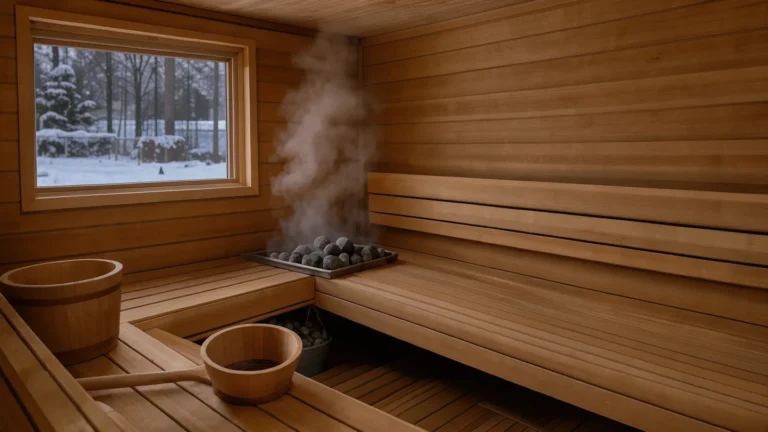
Not for the room to function. The heater works without water. But most owners keep a bucket and ladle nearby because adding löyly is the main way to adjust the feel of the heat. Without water, the sauna is simply hot air. With water, you get the steam burst that most people associate with the Finnish sauna experience.
Can a wood-fired sauna be a dry sauna?
Yes. A wood-fired stove heats the air and a rock pile just like an electric heater does. The room runs dry unless you add water to the rocks. The fuel source has no effect on humidity.